
Capture at the source
Post-combustion amine capture sized to the cogen plant's flue gas, engineered for continuous island duty.
Kawaihae, Hawaiʻi Island · Base of operations
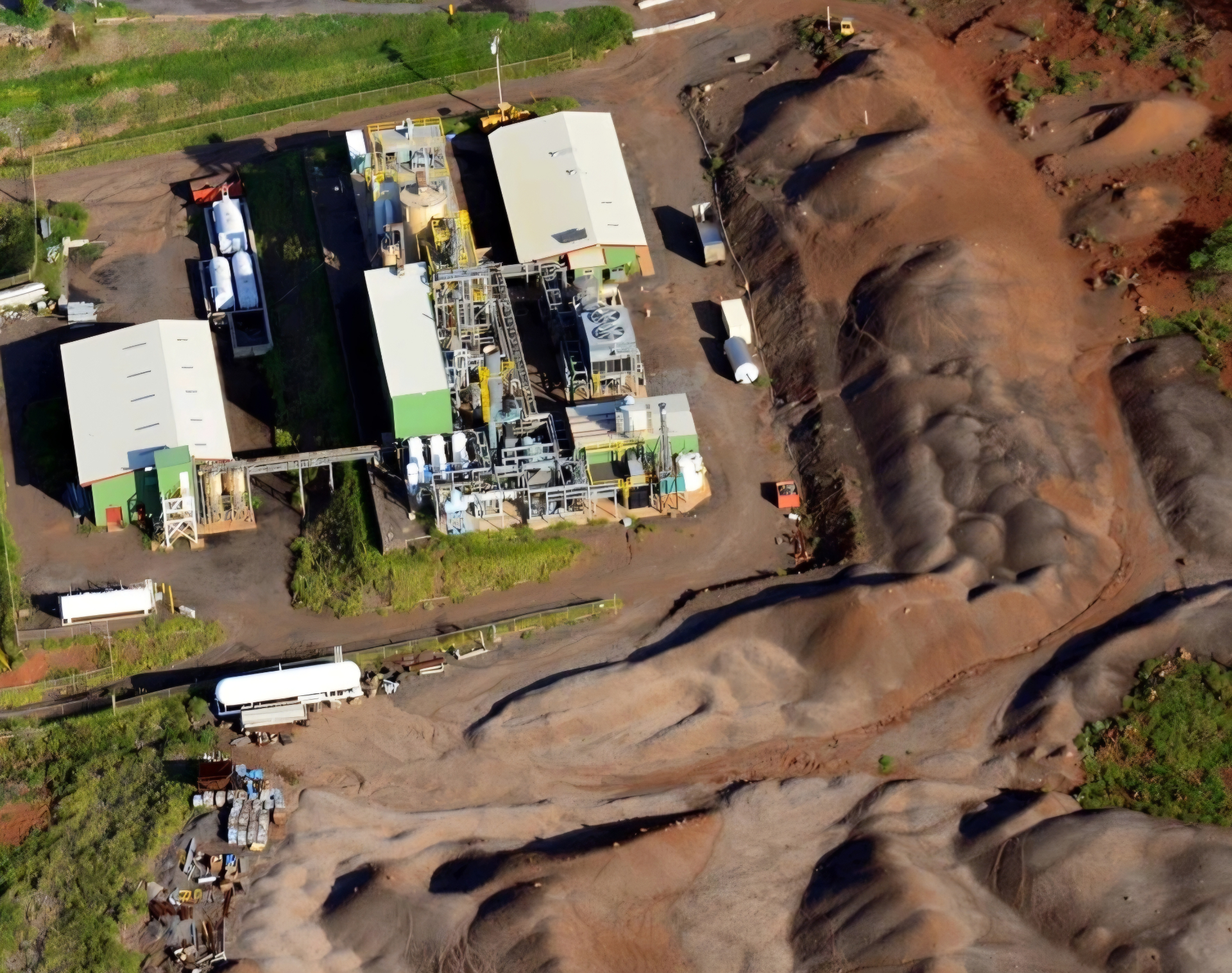
Our new base of operations at Kawaihae on the Big Island is built around high-density dry ice production with revert recovery — capturing the CO2 conventional pelletizers vent to atmosphere — plus logistics to deliver food-grade liquid CO2 to Hawaiʻi's agricultural sector.
Since 2009
Operating in Hawaiʻi
Kawaihae
Base of operations, Hawaiʻi Island
Act 198
SB2865 signed into Hawaii law
5T3N9
CAGE code · federal past performance
Where we are today
Dibshawaii is past the concept stage. State law now recognizes carbon capture and sequestration as a Hawaiʻi industry, we hold a long-term master lease on a 12-acre industrial parcel, and we have organized the operators and landowners who can actually supply and use it.
Our current phase centers on Kawaihae: standing up high-density dry ice production with revert recovery on the pelletizer so vented CO2 is recaptured and re-liquefied rather than lost, and building the tank, trailer, and route capacity to move food-grade LCO2 to growers, packers, and processors across Hawaiʻi Island — with deep-draft harbor access for inter-island distribution.
Our dry ice blasting crews continue serving marine, industrial, and restoration clients statewide while the plant comes online with NAER Inc.
Our mission
Our mission is to deliver affordable high-density dry ice to Hawaiʻi's most vulnerable communities — the rural towns, small growers, fishers, food hubs, and emergency responders who lose product and access first when the cold chain breaks. Density is affordability: pellets that sublimate slower travel further on the same pound, so a shipment reaches Hanapēpē or Naʻalehu as cold as it left Kawaihae.
We call that carbon kuleana. CO2 is not waste to us — it is a resource we capture, recover, and return to the loop, and a responsibility we carry to the people and place that host our work. Community-first engagement means beneficiary-first returns on Hawaiian home lands, local hire and training, and pricing built for access rather than extraction. That is the mark we mean to leave.
Path forward
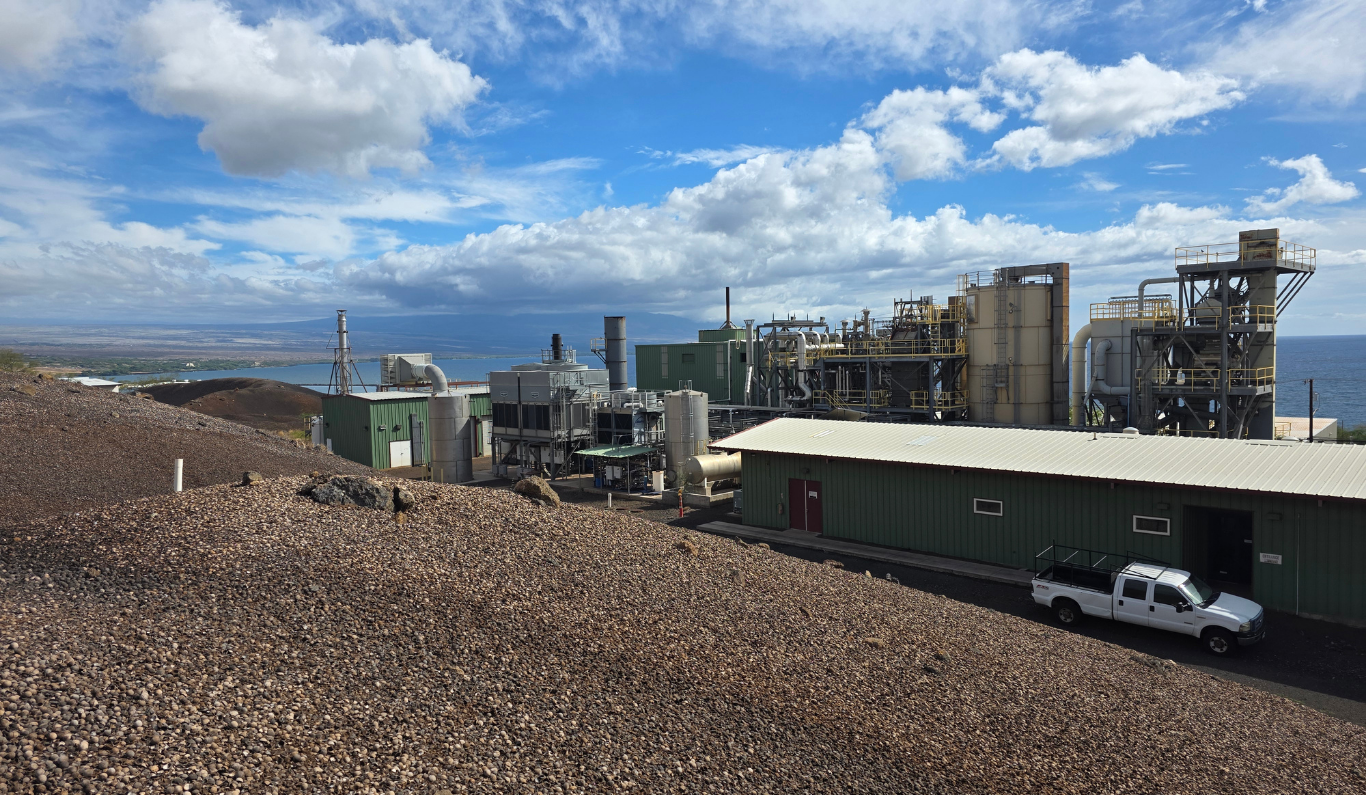
Decarbonization is not a slogan here — it is the business. We are engineering post-combustion CO2 recovery on the flue gas of our 4.2 MW cogeneration plant, so the stream of carbon dioxide we are responsible for becomes food-grade LCO2 and high-density dry ice instead of an emission.
That is carbon kuleana: capture, purify, liquefy, and utilize on one integrated CCSU campus, with revert recovery closing the loop at the pellet press.
As a Native Hawaiian owned enterprise, we are planting our flag of energy sovereignty on our Department of Hawaiian Home Lands industrial property inside the Kailapa Hawaiian Homestead — building durable infrastructure that lifts people in place.
Post-combustion amine capture sized to the cogen plant's flue gas, engineered for continuous island duty.
Capture, purification, liquefaction, dry ice pressing, and revert recovery on one site — minimal transport losses.
Sited on DHHL land within Kailapa Homestead, with local hire, training, and returns that stay in the community.
CO2 virtual terminal
We are building a CO2 virtual terminal: island production, bulk storage, and inter-island distribution operated as neutral third-party infrastructure. Instead of every grower, packer, and installation contracting its own mainland supply chain, they draw from one Hawaiʻi-based pool — food-grade liquid CO2 and high-density dry ice, scheduled and delivered across the state in support of agriculture and defense logistics.
CO2 recovered and produced here at Kawaihae, with revert recovery on the press and post-combustion capture from our 4.2 MW cogen — supply that does not sail 2,500 miles to reach a farm.
Bulk LCO2 tanks, exchange cylinders, and high-density dry ice moved by barge and truck to every major island on a scheduled cadence, with cold-chain support for agriculture and food processing.
Neutral, non-competing infrastructure open to any offtaker — growers, packers, utilities, and federal customers. CAGE 5T3N9, with past performance supporting DoD logistics in Hawaiʻi.
Recent achievements
Dibshawaii helped advance and support SB2865, now Act 198, establishing the statutory framework Hawaii needs for carbon capture, utilization and sequestration activity in the islands. It gives projects like ours a defined path from concept to permitted operation.
A general master lease with the Department of Hawaiian Home Lands secures a 12-acre industrial parcel as the operating base for our processing, staging, and equipment yard — anchoring long-term investment on Hawaiian home lands with beneficiary-first economic returns.
We convened operators, landowners, technology providers, and researchers into a single consortium so Hawaii can develop CCUS capacity as a coordinated industry rather than a set of isolated pilots — sharing feedstock logistics, measurement standards, and permitting knowledge.
Our partnership with NAER Inc. brings engineering depth and project delivery capacity to our carbon and biomass work, moving the 12-acre site from entitlement toward buildout and commercial operation.
Partners & consortium members
Feedstock, engineering, processing, and end products — each partner covers a link that Hawaiʻi previously had to import.
Agricultural energy & feedstock
Turning agricultural residue and energy crops into a reliable island feedstock stream for carbon and energy projects.
Forestry & wood products
Locally milled hardwood and forestry residuals — durable wood products that store carbon and by-products that feed utilization pathways.
Modular construction
Factory-built modular structures that shorten construction timelines on-island and put local materials into local housing and facilities.
Engineering & project delivery
Technical partner on carbon capture and utilization systems, site engineering, and commercial buildout.
What we do
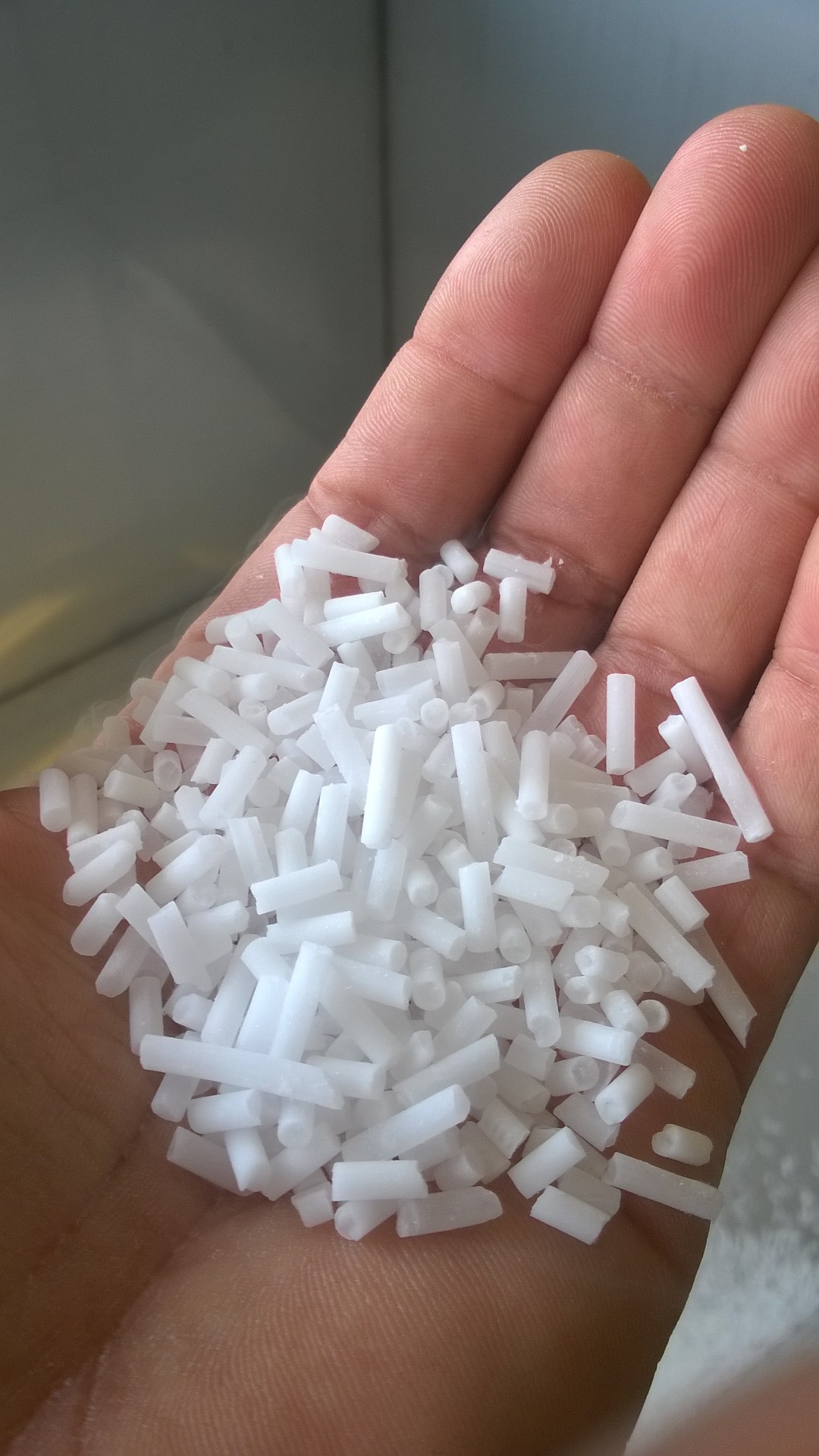
Our Kawaihae plant is built around high-density dry ice — 3mm and 16mm pellets and blocks pressed for maximum density, so they sublimate slower, ship farther, and hold temperature through inter-island transit.
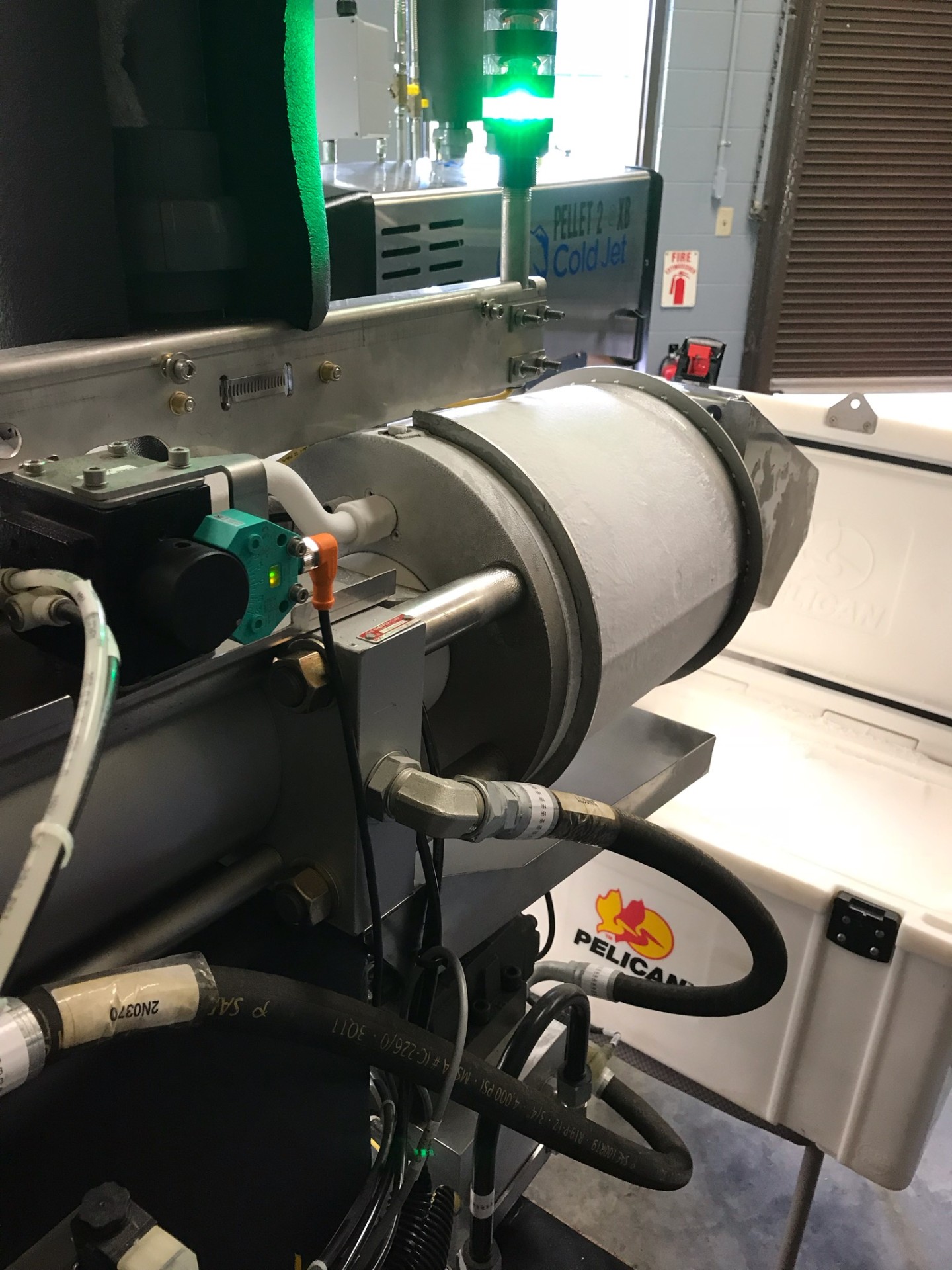
Conventional pelletizing vents roughly half its CO2 to atmosphere. Revert recovery technology captures that vented gas at the pelletizer, re-liquefies it, and returns it to the feed loop — near-zero process venting and dramatically better yield per ton of LCO2.
Bulk and micro-bulk food-grade liquid CO2 delivered to Hawaiʻi Island growers, packers, and processors — controlled-atmosphere storage, post-harvest cooling, greenhouse enrichment, beverage and value-added processing — with tanks, telemetry, and a scheduled island route.
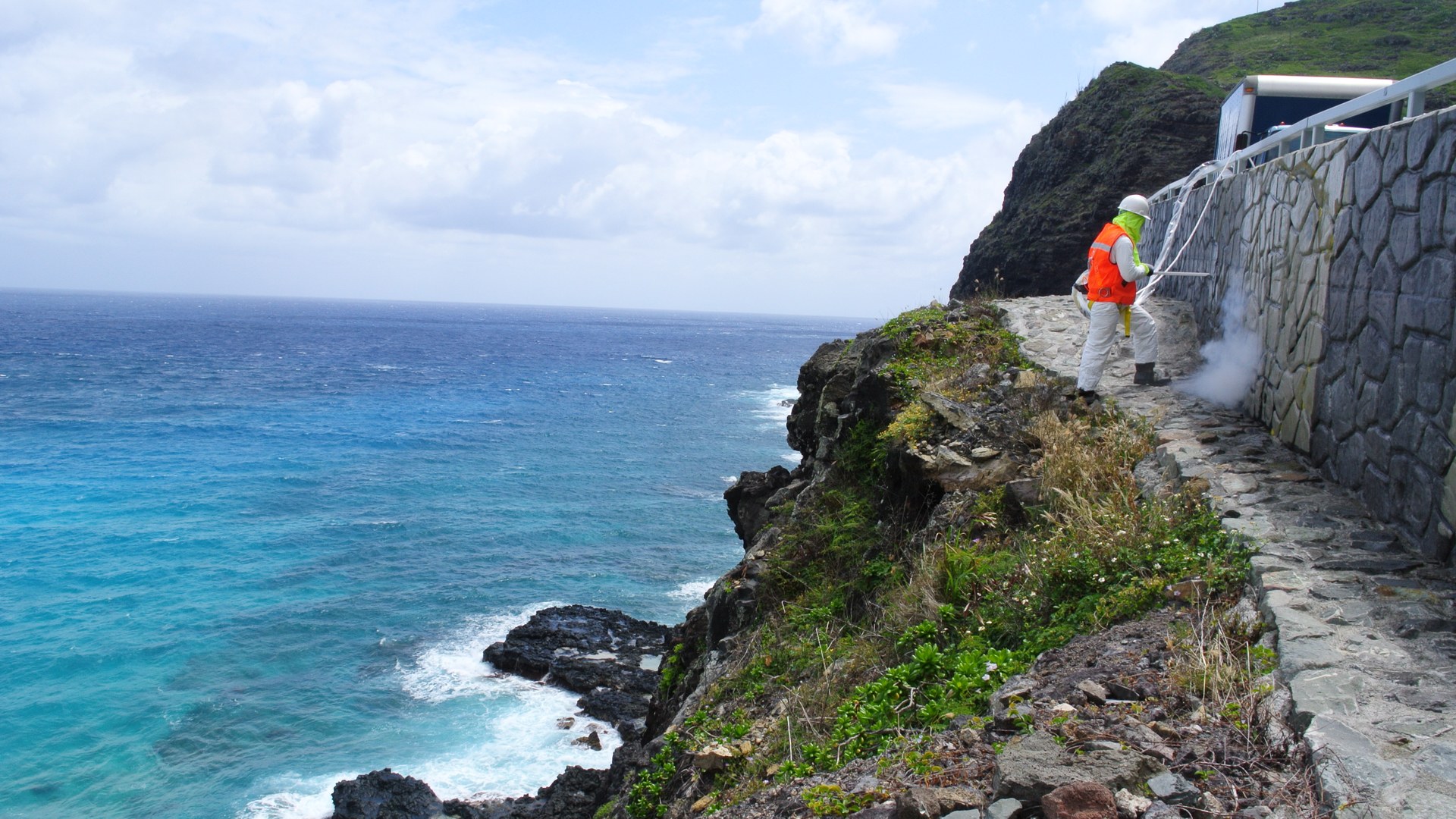
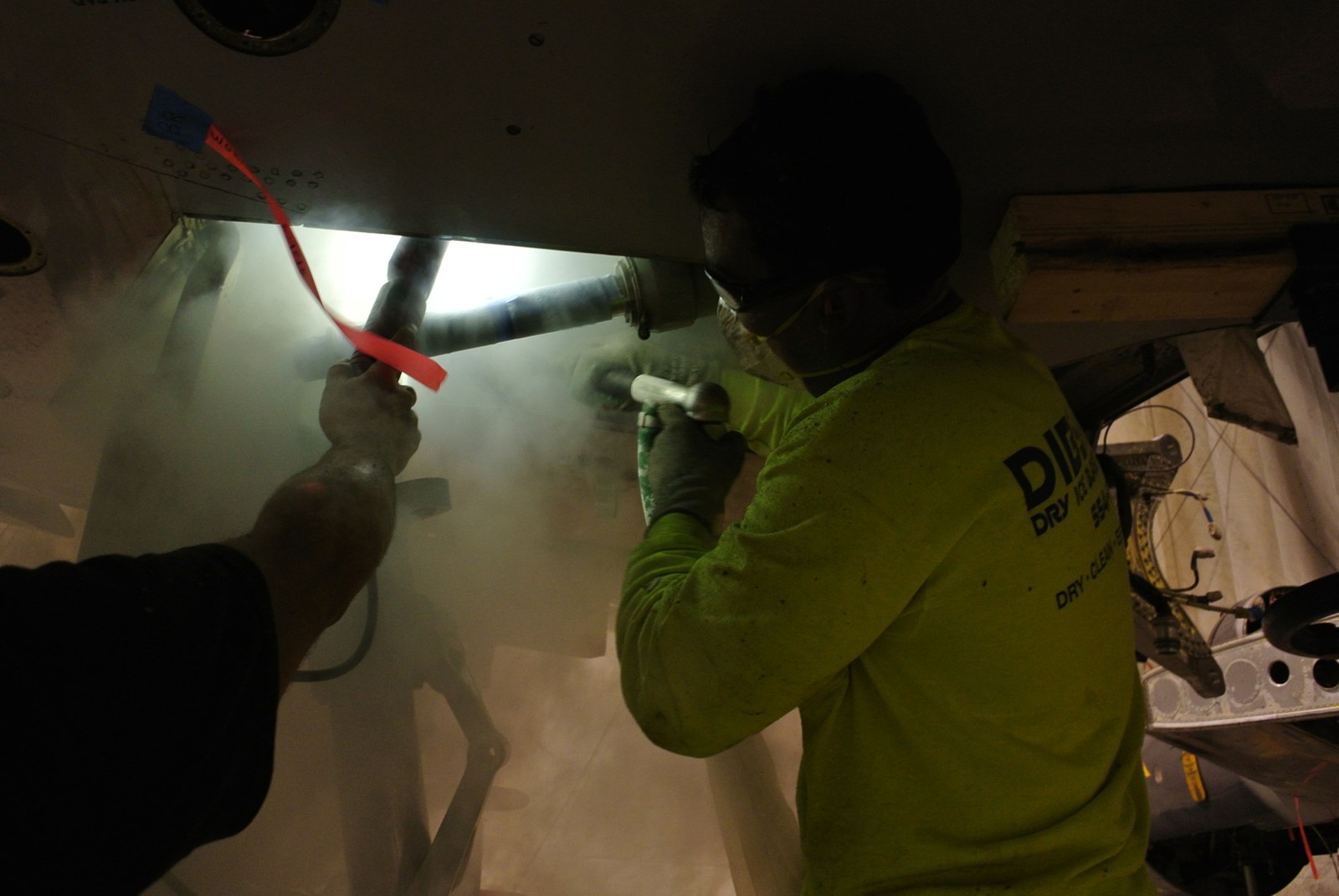
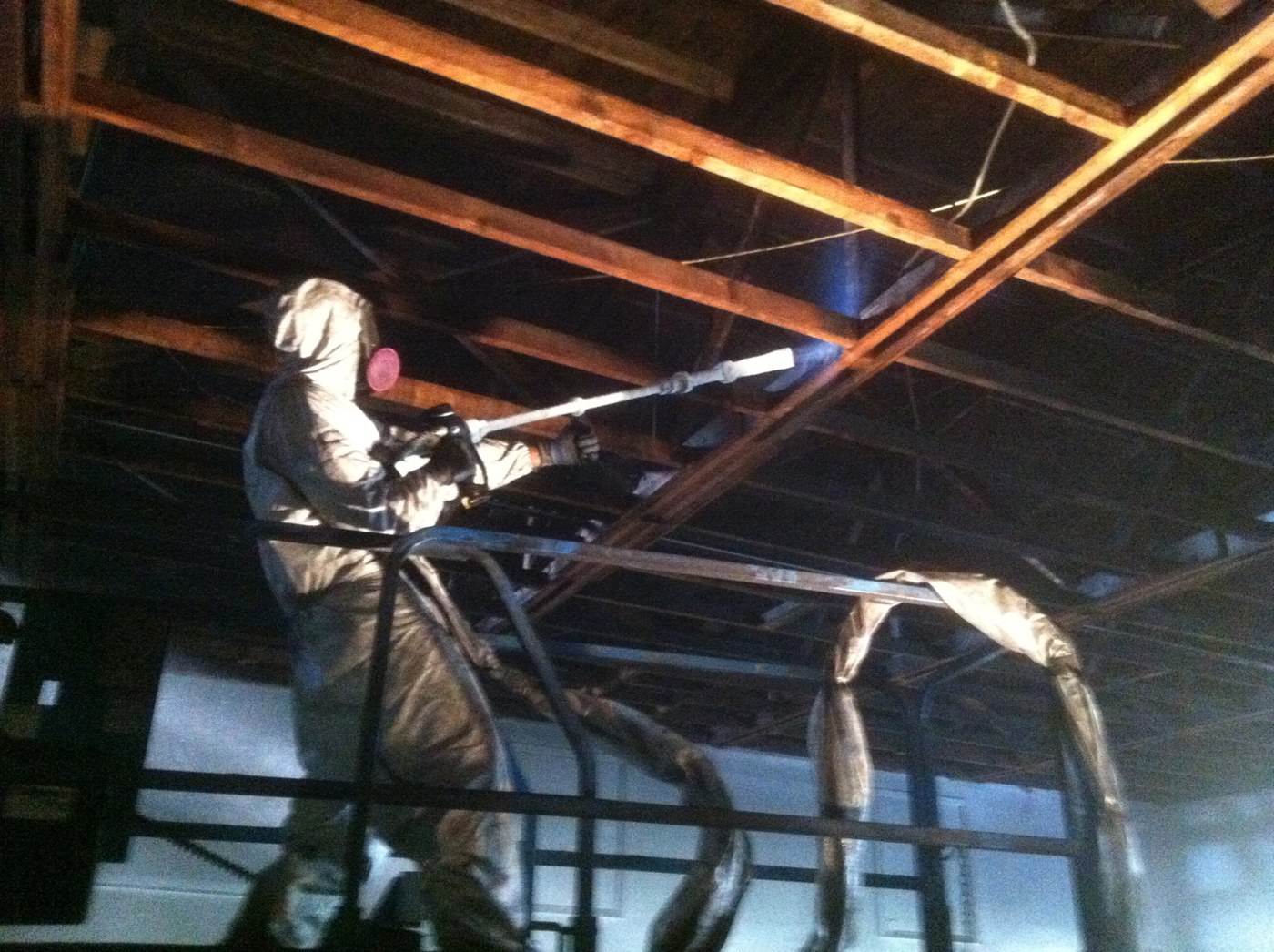
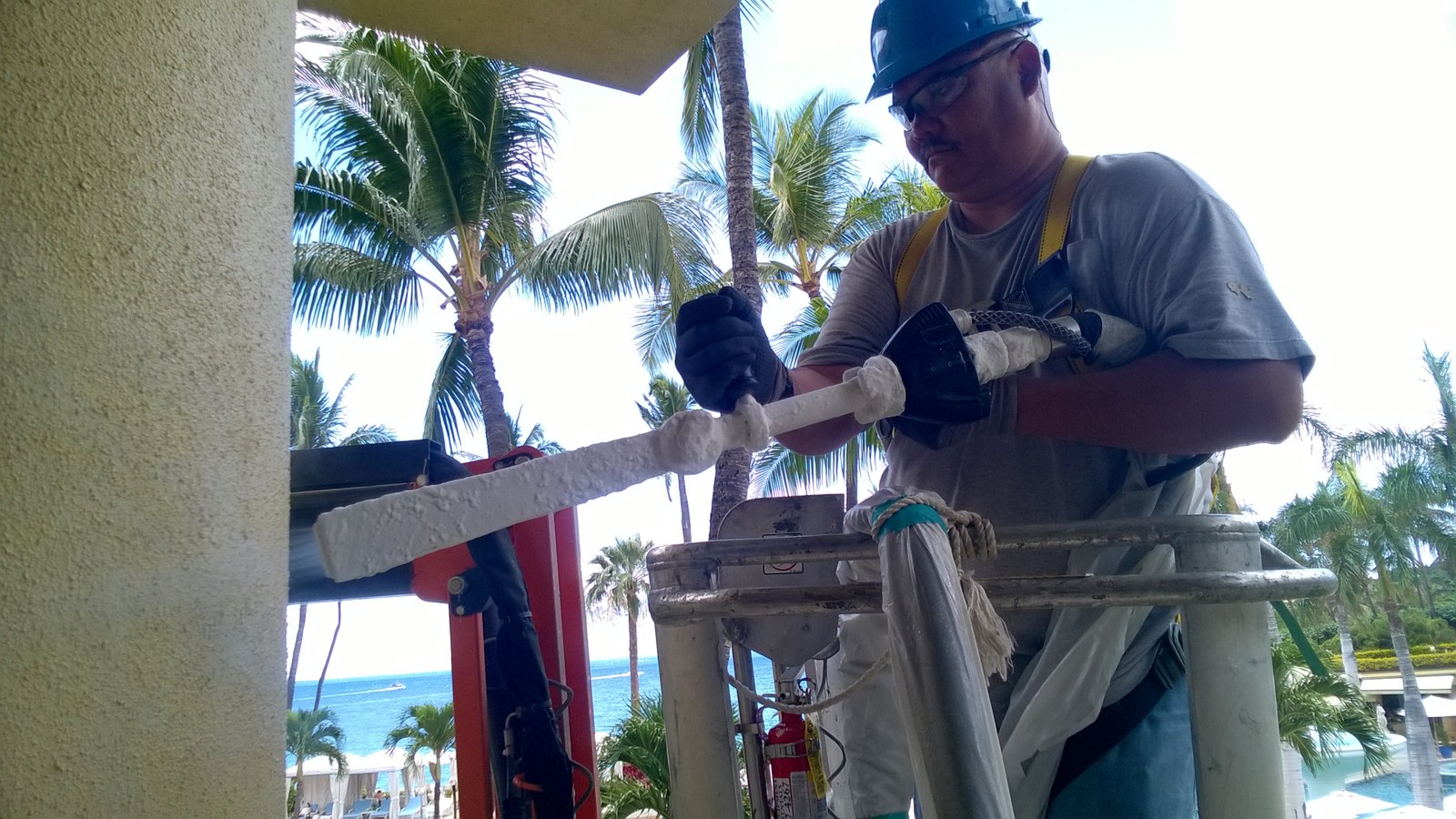
Carbon-neutral surface preparation using reclaimed CO2 — no chemicals, no water, no secondary waste stream. Marine, industrial, food-grade, restoration, and fire remediation work statewide.
Capturing and reusing industrial CO2 on-island, plus biochar and biomass utilization pathways that keep carbon and value in Hawaiʻi.
Invasive removal, forestry residual handling, and feedstock aggregation that reduce wildfire fuel load while supplying our processing operations.
In the field
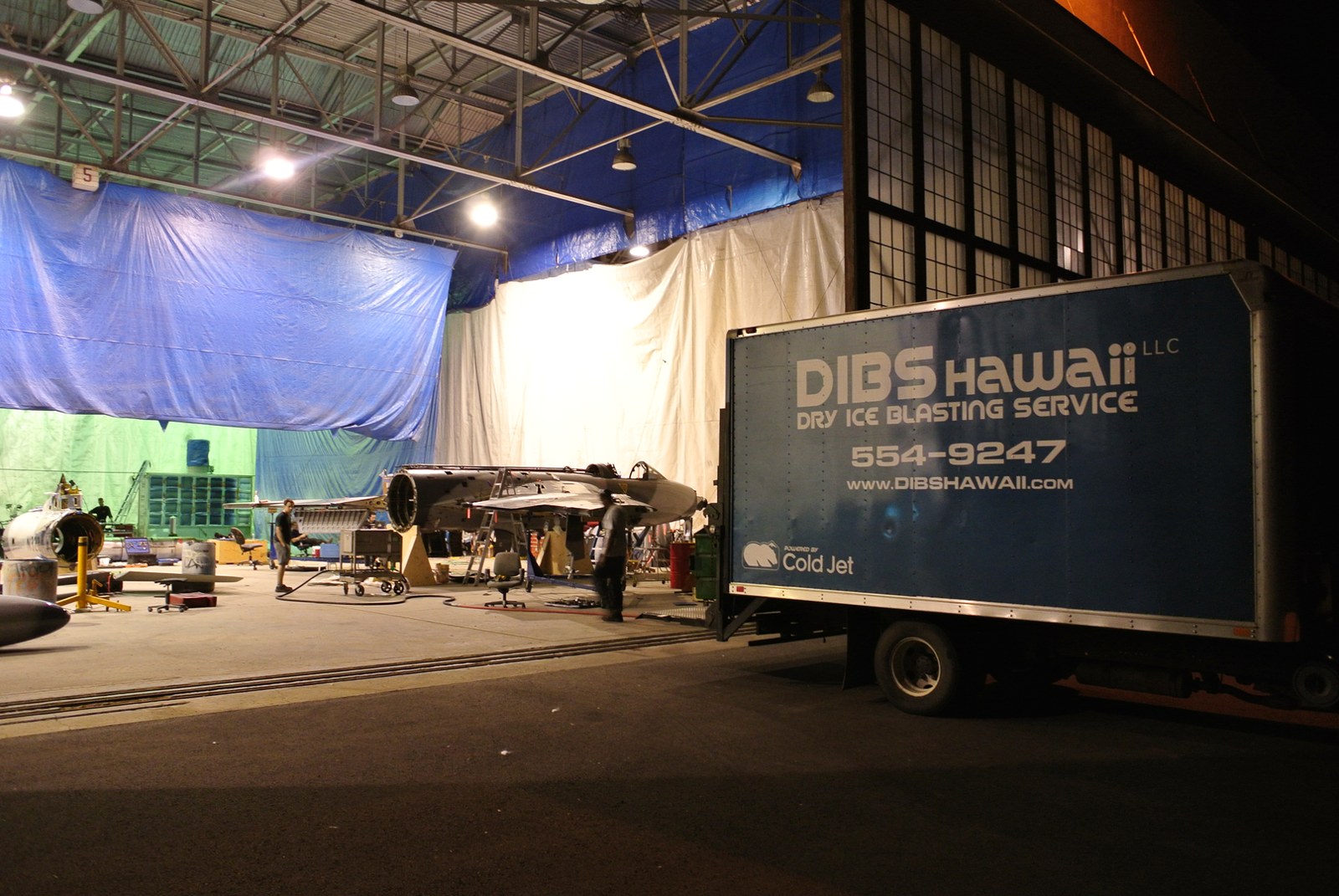
Since 2009, dry ice blasting across Hawaiʻi — aviation, resorts, food plants, federal installations, and heavy industry — is the operating experience behind our Kawaihae production build-out.
Past performance
Dibshawaii has delivered dry ice blasting and industrial cleaning for Department of Defense clients across the islands — work performed to spec, under escort, and inside active operational environments.
CAGE Code 5T3N9· Native Hawaiian owned · In operation since 2009
Naval Facilities Engineering Systems Command environmental work — surface preparation and remediation-adjacent cleaning where containment and waste minimization matter.
Structural and facility cleaning support on Corps-managed assets, from coatings prep to restoration of steel and concrete in marine environments.
Installation support including aviation, facility, and equipment cleaning using dry ice blasting — no secondary waste stream, no disassembly, mission-ready turnaround.
Contact
We are talking with landowners, industrial CO2 sources, agricultural producers, agencies, and investors. If your operation touches carbon, biomass, or heavy industry in Hawaiʻi, there is likely a fit.